What Makes a Podcast Sound Professional?
When listeners hit play, what they hear first shapes their entire impression of your podcast. A professional-sounding podcast feels polished, easy to listen to, and trustworthy. But what exactly goes into making your podcast sound professional? It’s more than just expensive gear or fancy editing.
Here are the key factors that influence your podcast’s sound quality and professionalism.
Clear and Balanced Audio
The most obvious aspect of professional sound is clarity. Your voice should be easy to understand with no distracting background noise, echoes, or distortions.
Balanced audio means the volume stays consistent throughout the episode. No sudden jumps in loudness or parts that are too quiet to hear. When your audio levels are even, listeners can relax and focus on your content instead of constantly adjusting the volume.
Good Microphone and Recording Setup
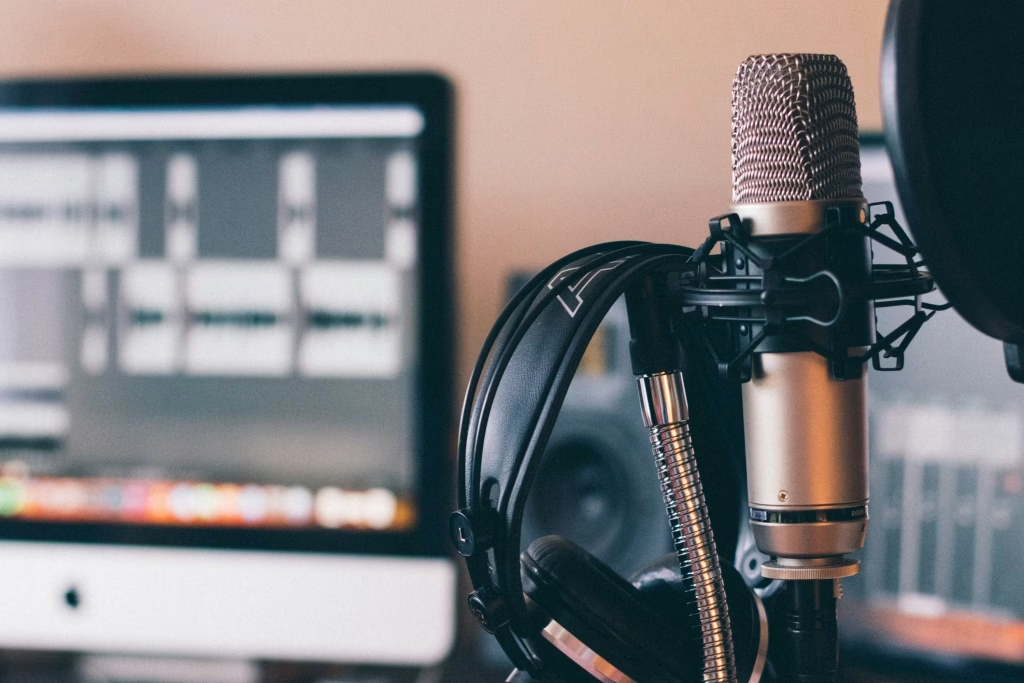
Using a decent microphone makes a big difference. USB microphones like the Audio-Technica ATR2100x or Samson Q2U are affordable and deliver clear, warm sound.
Where and how you record also matters. Choose a quiet room with soft furnishings to reduce echoes and background noise. Position your microphone close to your mouth but off-axis to avoid harsh “popping” sounds when pronouncing ‘P’ and ‘B’ words.
Effective Editing
Professional-sounding podcasts are carefully edited to remove awkward pauses, filler words, or background distractions. Editing also involves cleaning up the audio by reducing noise, balancing levels, and adding gentle compression to make voices sound fuller.
Some podcasters add intro and outro music, sound effects, or segment breaks to enhance the listener experience. These should be used tastefully and support your brand voice without overwhelming the content.
Consistent Format and Structure
Consistency helps your podcast feel reliable and well-planned. Professional podcasts often have clear intros and outros, a predictable episode length, and a smooth flow between topics.
This doesn’t mean being rigid or scripted. Instead, it’s about having a plan and editing the episode to keep things moving naturally without distractions or dead air.
Preparation and Delivery
Sounding professional also comes from how you speak. Clear articulation, a steady pace, and natural enthusiasm keep listeners engaged. Practicing before recording and doing test runs can help you feel more confident and reduce the need for heavy editing.
If you host interviews, good preparation helps the conversation feel smooth and respectful of the listener’s time. Listening actively and asking thoughtful questions improves the flow and quality of the episode.
Technical Considerations
Use good-quality headphones to monitor your recordings in real time. Avoid recording in noisy or echo-prone environments.
Record locally rather than relying solely on internet calls, which can suffer from glitches or dropouts. If you have remote guests, use reliable platforms and record separate audio tracks when possible.
Final Thoughts
Professional sound is about creating a smooth, clear, and engaging listening experience. It requires attention to technical details, a good recording environment, and thoughtful editing. But it also depends on your delivery and how well you prepare.
At The Podcast Production, we help podcasters at every stage—from choosing gear and setting up their recording space to editing and final production. Our goal is to make your podcast sound as professional as possible so your message reaches your audience clearly.
If you want your podcast to stand out with crisp, polished audio, we’re here to help make that happen.