How to Start a Podcast: A Step-by-Step Guide for Beginners
Starting a podcast can be a powerful way to build your personal brand, grow a business, or simply explore topics you care about. But as exciting as the idea might be, the actual process of launching one often feels confusing — especially when you’re just starting out.
This guide breaks down the process step by step, so you can move from idea to execution with more clarity and confidence. Whether you’re a founder, a creative professional, or just curious about the medium, these are the core elements to focus on when launching your first podcast.
1. Start With a Clear Purpose
Before diving into equipment or platforms, pause and ask yourself why you want to start a podcast. This isn’t just a motivational exercise — it’s the foundation for everything that follows.
Are you looking to build authority in your field? Share stories from your life or work? Connect with potential clients? Document your journey? Your answers will help shape the podcast’s tone, format, length, and even how often you publish.
Try writing a short one- or two-line mission statement. This becomes your north star, especially when decisions start piling up.
2. Choose a Format You Can Commit To
Podcasting allows a lot of creative freedom, but the format you choose should suit your goals and your personality. You don’t need to reinvent the wheel — just pick something sustainable.
Common formats include:
Solo episodes – Great for building authority or sharing personal insights. No scheduling needed.
Interview shows – Let you learn from others and create engaging content through conversation.
Narrative or storytelling – Involves more planning and editing but can be highly immersive.
Panel discussions or co-hosted shows – Add variety and dynamic voices, but require more coordination.
If you’re unsure, start small. You can always evolve your format as your confidence and skills grow.
3. Set Up a Basic Recording Setup
Good audio matters — but you don’t need a professional studio to get started. Here’s a beginner-friendly setup that works well for most people:
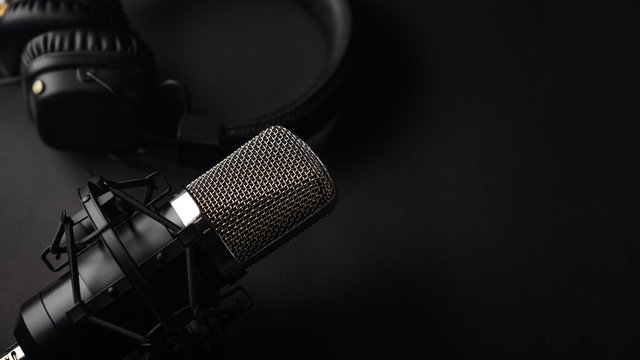
Microphone – USB microphones like the Samson Q2U or Audio-Technica ATR2100x offer excellent sound without needing an audio interface.
Headphones – Closed-back headphones help you monitor your recording and catch issues early.
Recording software – Free tools like Audacity (for Windows/Linux) or GarageBand (for Mac) are reliable. Descript is another beginner-friendly option with editing and transcription built in.
Find a quiet space, turn off fans or noisy appliances, and you’re good to go.
4. Choose a Hosting Platform
Your podcast needs a home — a platform that stores your audio files and delivers them to podcast directories like Spotify and Apple Podcasts.
Look for platforms that offer:
Easy publishing and RSS feed setup
Distribution to major directories
Basic analytics (downloads, locations, etc.)
Options for monetization, if that’s a future goal
Good beginner options include Buzzsprout, Podbean, Libsyn, and Spotify for Podcasters. Most of them offer free plans or affordable monthly pricing.
5. Create Podcast Branding That Stands Out
Your podcast’s visual and written branding is what potential listeners will see first, even before they hit play.
Focus on three things:
A clear, relevant podcast name – It should hint at your topic and be easy to remember.
Eye-catching cover art – Keep it simple and readable even at small sizes (like on a phone screen).
A strong show description – Write a short paragraph (2–4 lines) that explains who your show is for and what it offers. Use keywords that will help people find you through search.
You don’t need to hire a designer right away — but investing some effort here goes a long way toward creating a professional first impression.
6. Record 2–3 Episodes Before You Launch
Instead of launching with just one episode, consider starting with a small batch — ideally 2 to 3. This gives new listeners more content to engage with right away, which increases the chances they’ll follow or subscribe.
These first episodes can include:
An introduction to you and the show
A breakdown of a common challenge your audience faces
A solo deep-dive or an interview with someone relevant to your niche
Keep them simple. Your early episodes are more about building comfort and consistency than being perfect.
7. Submit Your Podcast to Major Directories
Once you’ve uploaded your episodes and your RSS feed is ready (your hosting platform will guide you through this), the next step is distribution.
Submit your show to:
Apple Podcasts
Spotify
Amazon Music
Google Podcasts
YouTube Music (replacing Google Podcasts in some regions)
Some hosts will handle this automatically, while others give you instructions for manual submission. Either way, you only need to do this once, and your future episodes will update automatically.
8. Promote Your Podcast Consistently
Publishing is just the beginning. If you want people to actually listen, you’ll need to share your episodes across channels.
Here are a few ways to promote:
Share short clips, quotes, or takeaways on Instagram, LinkedIn, or Twitter.
Create audiograms or reels using tools like Headliner.
Add your episodes to your website or blog.
Ask your guests to share their episode with their audience.
Repurpose podcast content into newsletters or LinkedIn posts.
Even a small, consistent effort builds visibility over time. Think of promotion as part of the creative process — not something extra.
Final Thoughts
Starting a podcast can seem intimidating at first, especially if you’ve never worked with audio before. But with the right tools, clear intention, and a little structure, it’s absolutely doable — even if you’re launching from your bedroom.
At The Podcast Production, we work with new and emerging podcasters to help them get started the right way. From choosing the right gear and planning your launch, to recording, editing, and promotion — we make the process simpler and more strategic.
If you’re thinking about launching a podcast but aren’t sure where to begin, reach out. We’d love to help bring your idea to life.